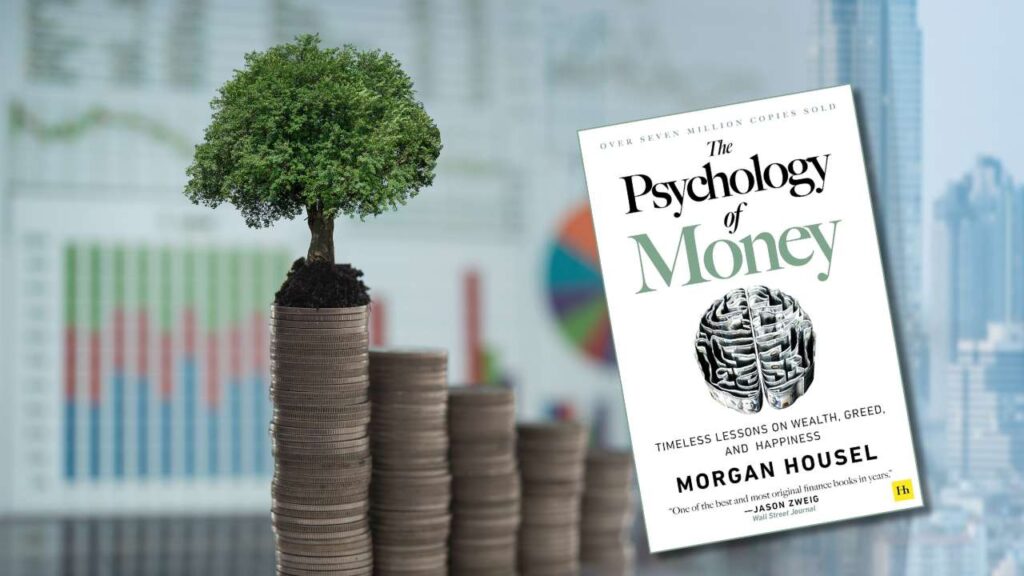
These Money Truths from Morgan Housel Will Change How You Spend Forever.
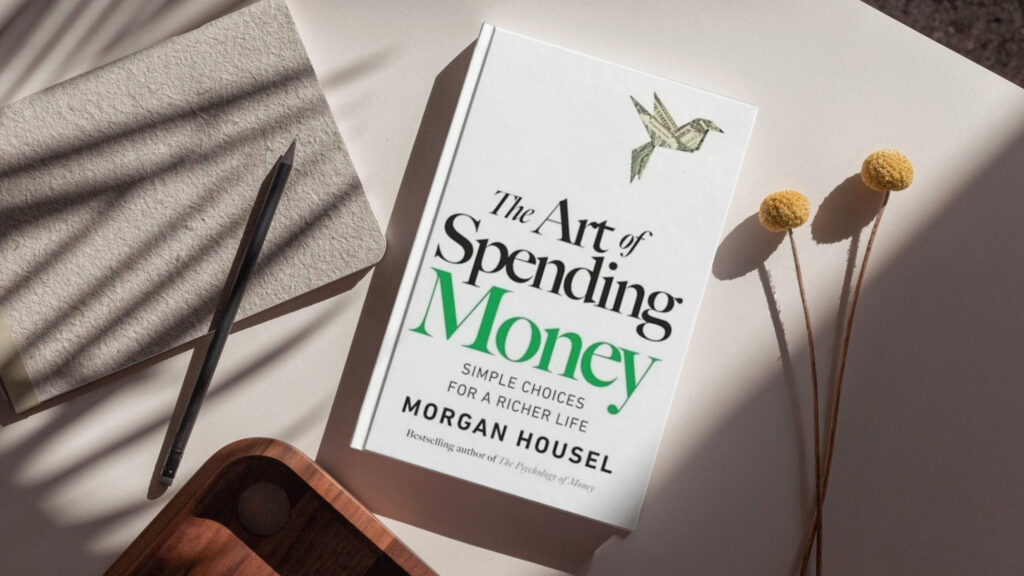
In a world where financial advice often centers on saving, investing, and accumulating wealth, Morgan Housel’s The Art of Spending Money offers a refreshing shift in perspective. This book isn’t about how to get rich—it’s about how to use money meaningfully once you have it. Housel explores the emotional, psychological, and philosophical dimensions of spending, helping readers rethink what it means to live a rich life.
Whether you’re a budget-conscious saver or someone looking to align your spending with your values, these 10 lessons will help you spend more wisely, intentionally, and joyfully.
1. Spending Reveals What You Truly Value
Your spending habits are a reflection of your priorities. You might say health or family matters most, but your bank statement tells the real story. Aligning your money with your values leads to more fulfilling choices.
2. The Best Things Money Buys Aren’t Always Tangible
Some of the most meaningful uses of money—like peace of mind, flexibility, or time with loved ones—don’t come with a price tag. Investing in experiences or emotional well-being often yields more satisfaction than material goods.
3. Frugality Without Purpose Can Become a Trap
Being careful with money is wise, but extreme frugality can backfire if it’s driven by fear or guilt. Spending should be intentional, not something you avoid out of habit or anxiety.
4. Time Is the Most Valuable Asset
Money can buy time—whether through outsourcing chores, taking a sabbatical, or retiring early. Using money to gain control over your schedule is one of the most powerful forms of wealth.
5. Comparison Is the Enemy of Contentment
Trying to match someone else’s lifestyle often leads to overspending and dissatisfaction. True financial freedom comes from defining success on your own terms, not someone else’s Instagram feed.
6. Thoughtful Spending Reduces Regret
Impulse purchases may offer short-term pleasure but often lead to long-term regret. When you pause to consider whether a purchase aligns with your goals, you make better decisions and feel more at peace with your choices.
7. Generosity Is a Powerful Use of Wealth
Giving money—whether to causes, friends, or family—can be one of the most rewarding ways to spend. It strengthens relationships, builds community, and creates a sense of purpose beyond personal gain.
8. Simplicity Is a Sign of Confidence
You don’t need to spend extravagantly to feel successful. In fact, those most secure in their identity often spend less on status symbols and more on what genuinely matters to them.
9. Don’t Let Your Lifestyle Own You
A high-income lifestyle can become a burden if it’s built on debt or constant pressure to maintain appearances. True wealth is the ability to live comfortably without financial stress.
10. Use Money to Craft a Meaningful Life
At its core, money is a tool. The goal isn’t to accumulate as much as possible, but to use it to build a life filled with purpose, joy, and connection. Spend in ways that help you write a story you’re proud of.
Final Thoughts: Spend With Intention, Not Impulse
Morgan Housel’s The Art of Spending Money is a timely reminder that financial wisdom isn’t just about saving or investing—it’s about spending with clarity and purpose. In a culture that often equates wealth with accumulation, Housel challenges us to ask a deeper question: What kind of life are you building with your money?
If you want to spend money wisely, live intentionally, and find joy in the everyday choices you make, this book is a must-read.