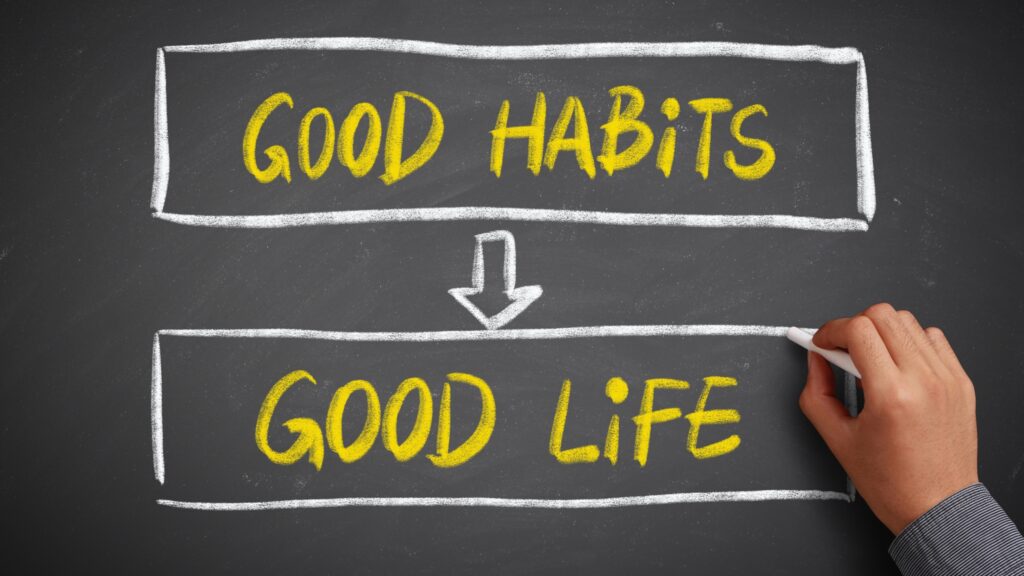

We’re barely into 2026, and if you’re like most people, those New Year’s resolutions are already collecting dust. Here’s the uncomfortable truth: self-discipline isn’t about waiting for motivation to strike or finding the perfect moment to start. It’s about building systems that work even when you don’t feel like it. The good news? You still have time to turn this year around, but only if you act now. In this guide, you’ll discover seven practical ways to discipline yourself that actually stick, helping you build better habits, achieve your goals, and become the person you’ve been meaning to be all along.
1. Start With One Micro-Habit
Forget overhauling your entire life overnight. The secret to lasting self-discipline is starting so small it feels almost silly. Want to exercise more? Commit to just two push-ups a day. Trying to read more? Start with one page before bed. These tiny actions might seem insignificant, but they build the neural pathways for consistency. Once the habit becomes automatic, you can gradually increase the difficulty. The key is making it so easy you can’t say no.
2. Design Your Environment for Success
Your willpower is limited, but your environment works 24/7. If you want to eat healthier, stop keeping junk food in your house. If you’re trying to focus more, put your phone in another room while you work. Want to exercise in the morning? Sleep in your workout clothes. Self-discipline isn’t about being superhuman; it’s about making good choices easier and bad choices harder. Look around your space right now and ask yourself: is this environment helping or sabotaging my goals?
3. Use the Two-Minute Rule
Here’s a game-changer: if something takes less than two minutes, do it immediately. Make your bed right when you wake up. Reply to that email now. Put your dishes in the dishwasher instead of the sink. This rule does two powerful things. First, it prevents small tasks from piling up into overwhelming mountains. Second, it trains your brain to take action instead of procrastinating. You’ll be amazed how much momentum you can build just by consistently handling the small stuff.
4. Track Your Progress Visually
What gets measured gets managed. Get a calendar and mark an X on every day you stick to your commitment. After a few days, you’ll have a chain of X’s that you won’t want to break. This visual representation of your consistency is incredibly motivating. You can also use apps, spreadsheets, or a simple notebook. The method doesn’t matter as much as the act of tracking itself. Seeing your progress makes discipline tangible and gives you proof that you’re actually changing.
5. Practice the 10-Minute Rule
When you don’t feel like doing something, tell yourself you only have to do it for 10 minutes. Usually, starting is the hardest part. Once you’re actually doing the thing, whether it’s working out, studying, or cleaning, you’ll often keep going well past those 10 minutes. And even if you don’t, 10 minutes is still better than zero. This trick helps you overcome the initial resistance that stops most people before they even begin.
6. Build Accountability Into Your System
Discipline is easier when someone’s watching, not because you need external validation, but because humans are social creatures who hate letting others down. Tell a friend about your goal and check in weekly. Join an online community pursuing similar objectives. Hire a coach if you can afford one. Or simply post your progress on social media. You don’t need to share everything, but having witnesses to your journey makes backing out much harder.
7. Forgive Yourself and Get Back On Track
Here’s the most important discipline strategy of all: expect to mess up and have a plan for it. You will miss workouts, break your diet, skip your meditation, or fall back into old patterns. That’s not failure; that’s being human. The people with real self-discipline aren’t perfect. They just get back on track faster. When you slip up, don’t waste days feeling guilty or deciding you’ve already ruined everything. Just start again immediately. One bad day doesn’t erase all your progress unless you let it.
Your Next 30 Days Start Now
Self-discipline in 2026 isn’t about punishing yourself or living like a robot. It’s about building systems that make consistency easier than chaos. The seven strategies you’ve just learned work because they’re based on how humans actually function, not some idealized version of willpower. Pick just one or two of these methods to implement this week. Don’t try to do everything at once, that’s the old pattern that hasn’t worked. Start small, track your progress, and adjust as you go. The year isn’t over, not even close. But every day you wait is another day you could have been building momentum. So stop reading, pick your first micro-habit, and take action right now. Your future self will thank you for starting today instead of waiting for tomorrow.