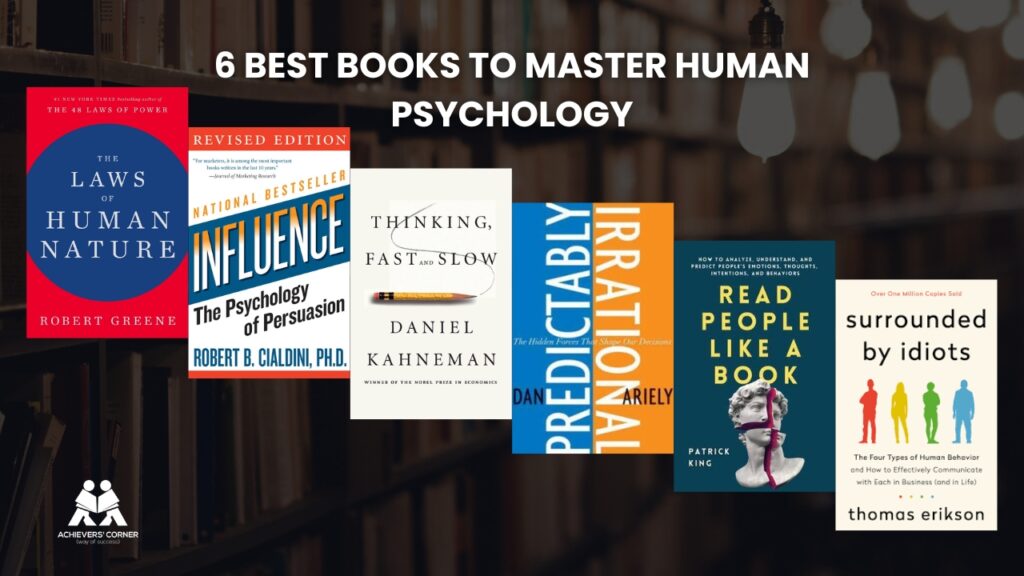

Knowledge Is Your Best Defense Against Manipulation
Ever felt like someone was playing mind games with you but couldn’t quite put your finger on how? Ever wondered why certain people seem to get what they want effortlessly while others struggle? Or why some individuals can read people like open books while you’re left guessing? The uncomfortable truth is that understanding dark psychology and manipulation isn’t about becoming a manipulator yourself, it’s about protecting yourself from those who already use these tactics. In a world where influence, persuasion, and psychological warfare happen daily in boardrooms, relationships, and social media, ignorance isn’t bliss. It’s vulnerability. These 12 essential books on dark psychology and manipulation will open your eyes to the hidden dynamics of power, the subtle art of influence, and the psychological patterns that govern human behavior. Whether you’re looking to sharpen your people-reading skills, protect yourself from toxic individuals, or understand the mechanisms behind persuasion and control, this reading list is your guide to the aspects of human nature most people prefer to ignore.
1. The 48 Laws of Power by Robert Greene
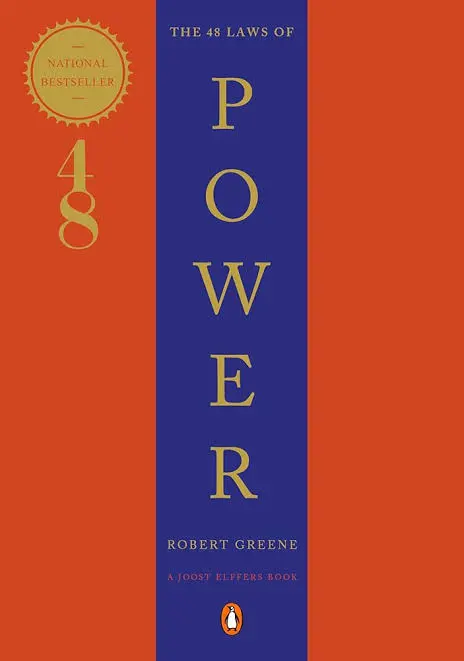
Robert Greene’s controversial masterpiece dissects power dynamics through historical examples spanning centuries. From ancient Chinese courts to modern corporate battles, Greene reveals 48 laws that have governed how power is gained, maintained, and lost. This isn’t a book about being nice or ethical. It’s a raw examination of how power actually works.
Key insights: Never outshine the master. Conceal your intentions. Always say less than necessary. Use selective honesty and generosity to disarm your victim. These laws sound ruthless because they are. Greene doesn’t advocate for their use, he simply observes that people have been using them for thousands of years.
Why read it: Whether you embrace these laws or reject them, you need to know they exist. Your colleagues, competitors, and even some friends are using these strategies, consciously or unconsciously. Understanding power dynamics helps you navigate corporate politics, negotiate better, and recognize when someone is playing games with you. Knowledge of these laws is defensive armor in a world that often rewards manipulation over merit.
2. The Laws of Human Nature by Robert Greene
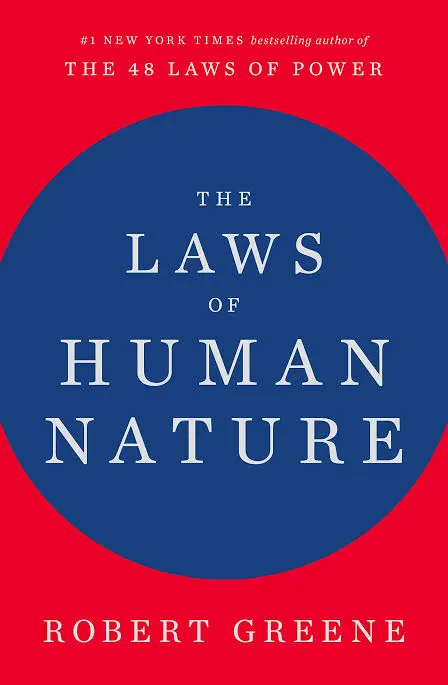
Greene’s follow-up to “The 48 Laws of Power” dives deeper into the psychological patterns that drive human behavior. This book is less about power plays and more about understanding the fundamental forces that make people tick: envy, aggression, grandiosity, shortsightedness, compulsive behavior, and more.
Key insights: People are governed by emotions they don’t understand. We’re all wired with cognitive biases and psychological weaknesses. The difference between those who succeed and those who don’t is often self-awareness. Greene provides frameworks for reading people, understanding their motivations, and recognizing toxic patterns before they damage you.
Why read it: This is psychological self-defense at its finest. When you understand human nature’s darker aspects, you become less naive, less gullible, and better at spotting red flags in relationships and business. You’ll learn to see through facades, recognize manipulation tactics, and understand why people behave irrationally, including yourself.
3. Influence: The Psychology of Persuasion by Robert Cialdini
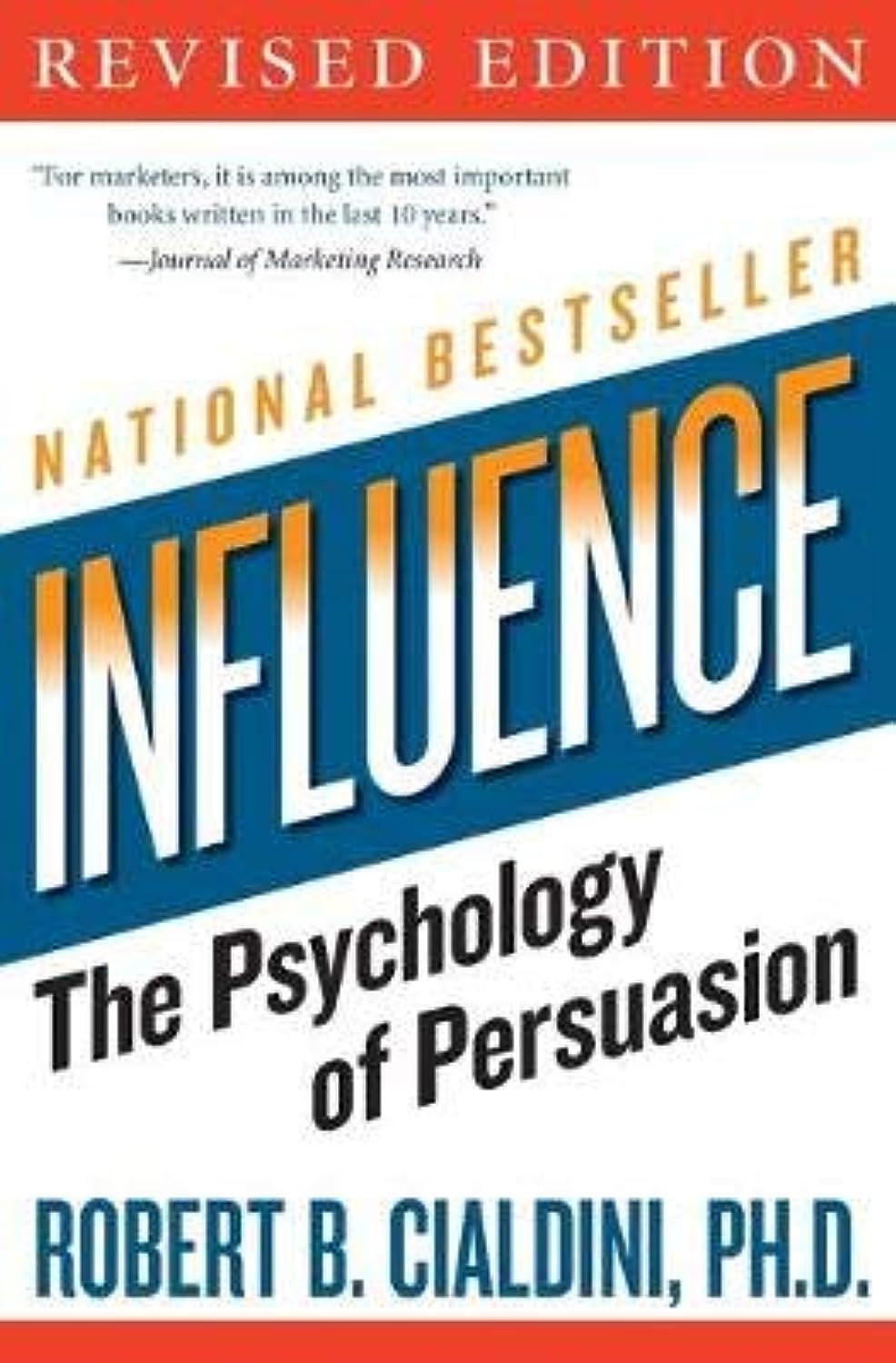
Robert Cialdini’s groundbreaking research identifies six universal principles of influence that compliance professionals use to get people to say yes: reciprocity, commitment and consistency, social proof, authority, liking, and scarcity. This book reveals how car salesmen, marketers, cult leaders, and even well-meaning friends use psychological triggers to influence your decisions.
Key insights: When someone gives you something, you feel obligated to reciprocate. When everyone else is doing something, you assume it must be correct. When an authority figure tells you to do something, you’re more likely to comply. These aren’t conscious decisions. They’re automatic responses hardwired into human psychology.
Why read it: Every day, people are trying to influence you: advertisers, politicians, salespeople, romantic partners, and more. Cialdini’s book gives you the tools to recognize when these principles are being used on you. Once you see the patterns, you can’t unsee them. You’ll start noticing influence attempts everywhere, and more importantly, you’ll be able to resist manipulation while using ethical persuasion when appropriate.
4. Pre-Suasion: A Revolutionary Way to Influence and Persuade by Robert Cialdini
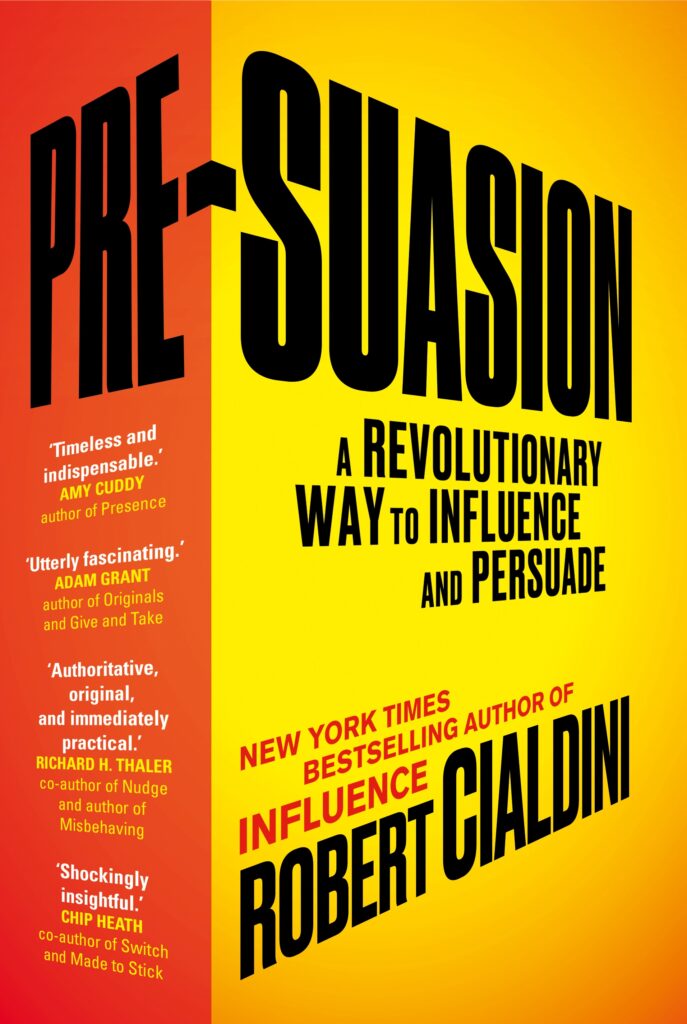
Cialdini’s follow-up explores the critical moment before you make your request. Pre-suasion is the art of creating a receptive mindset in your audience before you even ask for what you want. It’s about priming, framing, and directing attention to make your message more persuasive.
Key insights: The success of your request often depends on what happened seconds before you made it. By controlling attention and creating favorable associations, you can dramatically increase your influence. This isn’t just theory, Cialdini backs everything with rigorous research and real-world examples.
Why read it: Understanding pre-suasion helps you recognize when marketers, politicians, and manipulators are setting you up to say yes before you even realize you’re being influenced. It also teaches ethical influence techniques you can use in negotiations, presentations, and everyday conversations. The moment before the message matters more than most people realize.
5. Games People Play by Eric Berne
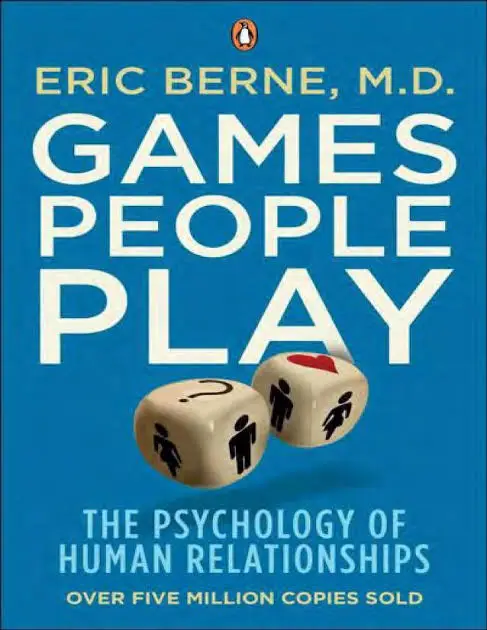
Eric Berne’s classic introduces Transactional Analysis, revealing the unconscious psychological “games” people play in relationships. These aren’t fun games. They’re repetitive, predictable patterns of interaction that create drama, reinforce negative beliefs, and keep people stuck in dysfunctional dynamics.
Key insights: People adopt three ego states: Parent, Adult, and Child. Most conflict comes from crossed transactions where people interact from incompatible states. Berne identifies dozens of common games like “Why Don’t You, Yes But,” “If It Weren’t For You,” and “See What You Made Me Do.” Once you recognize the game, you can refuse to play.
Why read it: You’re probably playing psychological games right now without realizing it. So are your partner, family members, and coworkers. Berne’s framework helps you identify these patterns, understand why they keep happening, and break free from toxic cycles. This book is essential for anyone stuck in repetitive relationship conflicts or workplace drama.
6. Talking to Strangers by Malcolm Gladwell
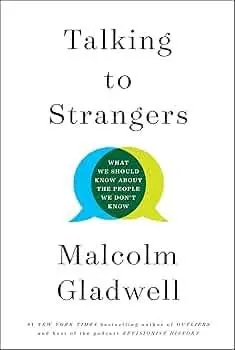
Malcolm Gladwell explores why we’re so bad at reading people we don’t know. Through case studies including Bernie Madoff’s Ponzi scheme, the suicide of Sylvia Plath, and the arrest of Sandra Bland, Gladwell reveals the cognitive biases and systematic errors we make when judging strangers.
Key insights: We default to truth, assuming people are honest until proven otherwise. This makes us vulnerable to deception. We think we can read people through their behavior, but most of us are terrible at it. Transparency, the idea that people’s internal states match their external expressions, is largely a myth.
Why read it: In a world where we interact with strangers constantly, online and offline, understanding why we misjudge people is crucial. Gladwell shows how our instincts about strangers are often wrong, sometimes with tragic consequences. This book recalibrates your confidence in your ability to read people and teaches healthy skepticism without becoming paranoid.
7. The Gift of Fear by Gavin de Becker
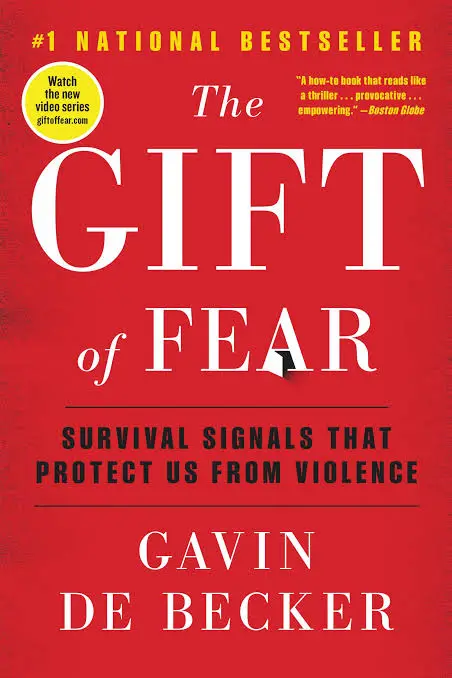
Gavin de Becker’s potentially life-saving book teaches you to trust your instincts about danger. Fear isn’t your enemy, it’s a survival signal. De Becker, a security expert who has protected celebrities and corporate executives, shows how to distinguish between real danger and imagined threats.
Key insights: Your intuition picks up on subtle signals that your conscious mind misses. Predators follow predictable patterns. Violence is rarely random. There are warning signs before most attacks, but we ignore them because we don’t want to seem rude, paranoid, or judgmental.
Why read it: This book could save your life or someone you love. De Becker provides practical guidance on recognizing dangerous people, situations, and relationships. He explains why women especially are taught to ignore their gut feelings and how this socialization puts them at risk. If you’ve ever had a bad feeling about someone but talked yourself out of it, this book will validate your instincts and teach you to trust them.
8. The 33 Strategies of War by Robert Greene
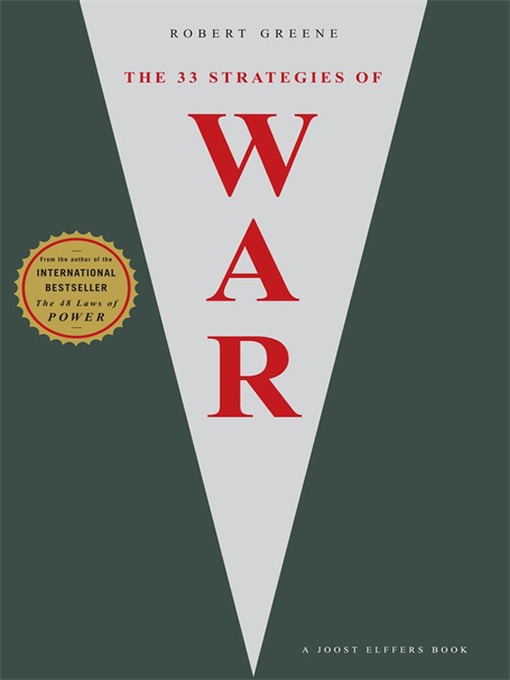
Greene applies military strategy to everyday conflicts in business, relationships, and personal development. Using examples from Sun Tzu, Napoleon, and modern business leaders, he reveals how to think strategically, outmaneuver opponents, and turn disadvantages into advantages.
Key insights: Life is a constant battle for resources, attention, and power. You can either acknowledge this reality and prepare for it, or remain naive and lose repeatedly. Greene breaks warfare into five parts: self-directed war (mastering yourself), organizational war (leading groups), defensive war (protecting what you have), offensive war (taking what you want), and unconventional war (guerrilla tactics).
Why read it: Even if you’re not naturally competitive, you’re competing whether you realize it or not. For jobs, relationships, respect, and opportunities. Understanding strategic thinking helps you navigate office politics, competitive industries, and personal conflicts more effectively. You don’t have to be aggressive, but you do need to be strategic.
9. Without Conscience by Robert D. Hare
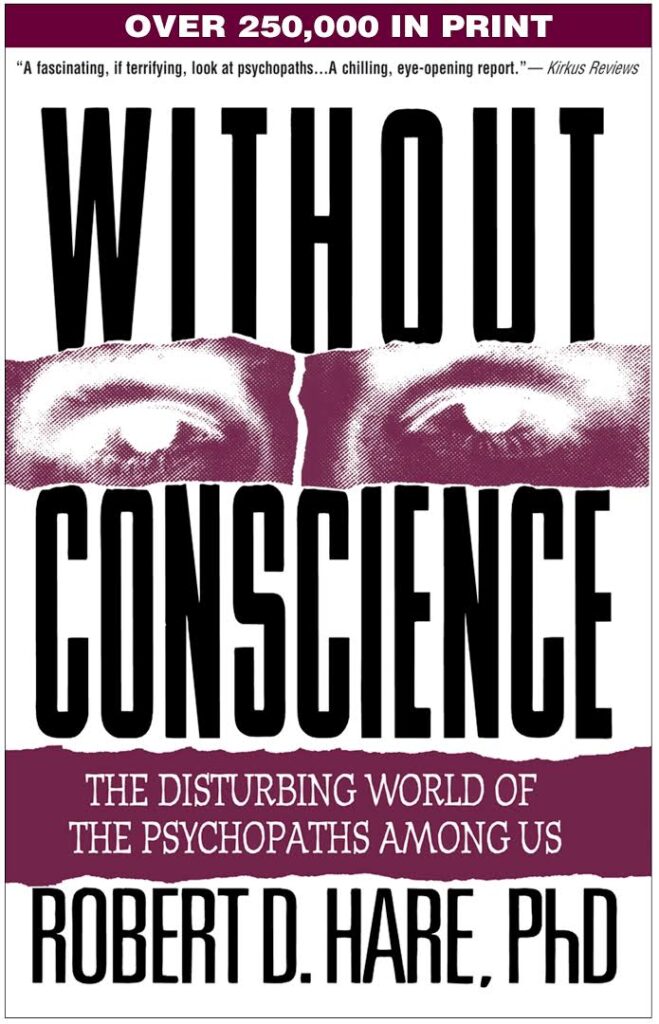
Dr. Robert Hare, the world’s leading expert on psychopathy, explains what psychopaths are, how to identify them, and why they’re so dangerous. Using his Psychopathy Checklist (PCR-R), Hare reveals the disturbing reality that about 1% of the population has no conscience, no empathy, and no remorse.
Key insights: Psychopaths aren’t all serial killers. Many are successful in business, politics, and other fields where ruthlessness is rewarded. They’re charming, manipulative, and completely devoid of guilt. They see other people as tools or obstacles, not as humans with feelings. The most frightening part? They’re often impossible to spot until it’s too late.
Why read it: You will encounter psychopaths in your lifetime. They might be romantic partners, bosses, colleagues, or family members. Understanding psychopathy helps you recognize the warning signs before significant damage occurs. Hare provides concrete criteria and real-world examples that could protect you from one of the most dangerous personality types.
10. The Sociopath Next Door by Martha Stout
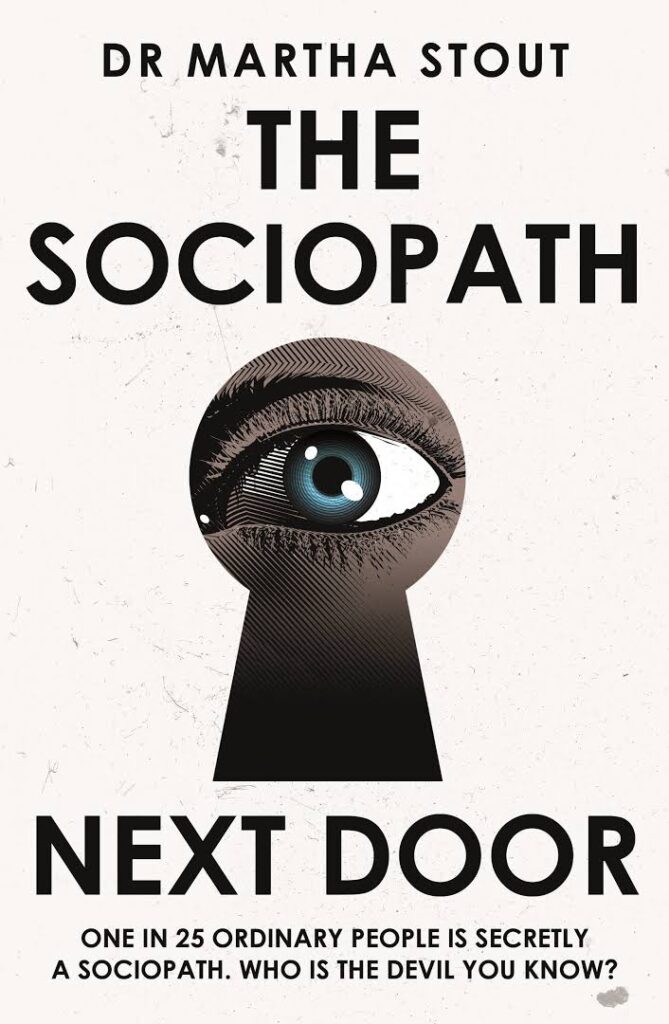
Dr. Martha Stout explores the 4% of people who have no conscience. That’s one in twenty-five people. They’re your neighbors, coworkers, and possibly even family members. Unlike Hare’s focus on criminal psychopaths, Stout examines the sociopaths who blend into society, causing damage without breaking laws.
Key insights: Sociopaths are different from the rest of us in one fundamental way: they feel no guilt, shame, or remorse. This gives them an enormous advantage in manipulating others. They can lie, cheat, and harm without emotional consequences. Most sociopaths aren’t violent criminals. They’re con artists, emotional abusers, and workplace manipulators.
Why read it: The statistical reality is sobering: you’ve definitely interacted with multiple sociopaths in your life. Stout provides practical advice on recognizing these individuals and protecting yourself. She explains why good people are often the most vulnerable to sociopathic manipulation and how to set boundaries that protect you from predatory personalities.
11. Spy the Lie by Philip Houston, Michael Floyd, and Susan Carnicero
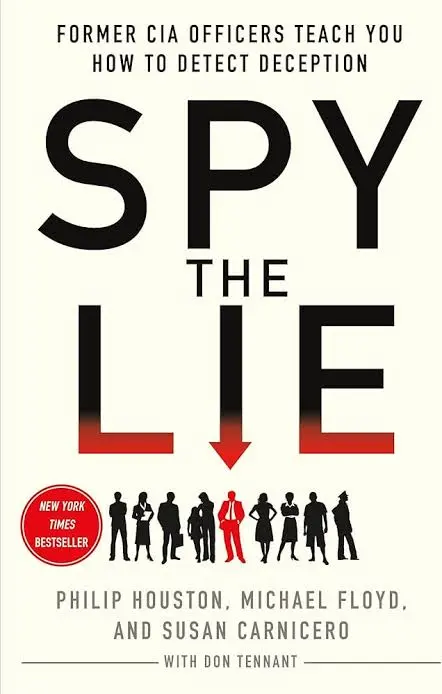
Three former CIA officers reveal the techniques they used to detect deception in high-stakes interrogations. This isn’t pseudoscience about body language or eye movements. It’s a systematic approach to identifying lies through verbal and behavioral cues that actual liars display.
Key insights: Most “lie detection” methods people believe in, looking left or right, touching your nose, crossing your arms, are myths. Real deception detection focuses on clusters of verbal and non-verbal behaviors that appear together. Liars provide too much detail or not enough. They become defensive when questioned. They distance themselves from their lies through language.
Why read it: People lie to you constantly. Small lies, big lies, omissions, and distortions. Romantic partners, business associates, politicians, and salespeople. Learning to detect deception helps you make better decisions about who to trust, what deals to accept, and which relationships to maintain. The techniques in this book are used by professionals whose lives depend on accurate lie detection.
12. What Every BODY Is Saying by Joe Navarro
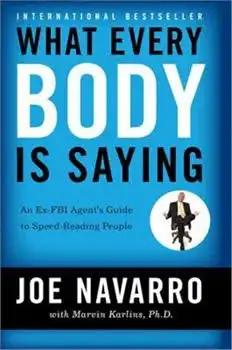
Former FBI agent Joe Navarro spent 25 years reading body language to catch criminals and terrorists. This book shares his expertise in decoding nonverbal communication. Navarro explains how to read comfort and discomfort signals, recognize when people are lying or hiding information, and understand the limbic responses that reveal true feelings.
Key insights: The body doesn’t lie even when the mouth does. Limbic responses, automatic reactions controlled by the primitive brain, are impossible to fake. Feet point toward what we want and away from what we don’t. Blocking behaviors reveal discomfort. Pacifying gestures indicate stress. By watching these signals, you can see what people really think and feel.
Why read it: Most communication is nonverbal. You’re missing at least half of every conversation if you only listen to words. Navarro teaches you to read the subtle signals people send unconsciously: discomfort in negotiations, attraction in social settings, deception in conversations, and hidden agendas in business meetings. These skills give you a significant advantage in virtually every human interaction.
Awareness Is Protection, Not Permission
These 12 books on dark psychology and manipulation aren’t about becoming a manipulator, a sociopath, or a power-hungry strategist. They’re about awareness. They’re about recognizing the games being played around you every day. They’re about protecting yourself from toxic people, predatory personalities, and manipulative tactics. Knowledge of dark psychology is like learning self-defense: you hope you never need it, but you’re grateful when you do. The strategies, principles, and patterns revealed in these books are being used on you right now, in advertising, politics, relationships, and business. The question isn’t whether you’ll encounter manipulation and psychological tactics. The question is whether you’ll recognize them when they happen. Read these books not to become darker, but to shine light on the shadows where manipulators hide. Understand power not to abuse it, but to defend against those who do. Learn influence not to control others, but to recognize when you’re being controlled. Your mental and emotional safety depends on seeing clearly what others would prefer you ignore. Start with one book from this list. Pay attention to the patterns they reveal. And watch how your understanding of human behavior transforms. The world doesn’t change, but your ability to navigate it safely and effectively will.